Boondocking Isn't Free — It's the Best Investment We Ever Made
Everyone calls boondocking "free camping." We call it the most expensive free thing we've ever done — and worth every single dollar.

Boondocking Isn't Free — It's the Best Investment We Ever Made
Ask any full-time RVer what boondocking is and they'll tell you it's free camping. No hookups, no campground fees, just you and the desert and a whole lot of sky.
They're not wrong about the no-fees part. But free? Not even close.
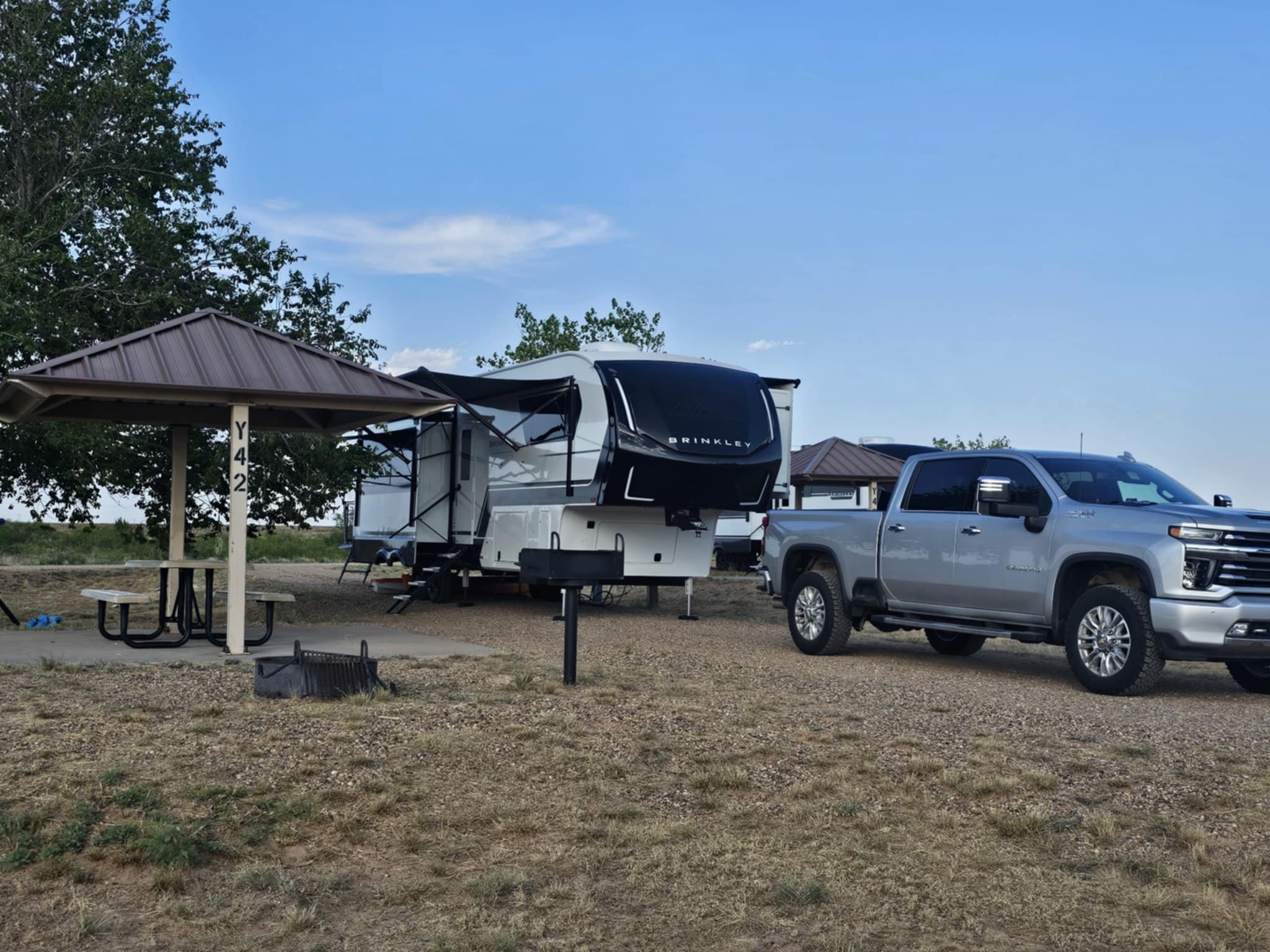
We've been boondocking in the Brinkley Z3400 for a while now, and we've done it right — meaning we went all-in on the electrical system to make it genuinely livable for extended stays. Two people working remotely, dual monitor setups, full-size refrigerator running, air conditioning when needed, and two dogs who have no idea they're supposed to be roughing it.
Here's the honest truth about what it actually costs to boondock the way we do it.
What Boondocking Actually Is
Boondocking means camping without hookups — no shore power, no water connection, no sewer. You're on your own, usually on BLM land, a national forest road, or a dispersed camping area. No campground, no amenities, no neighbors ten feet away.
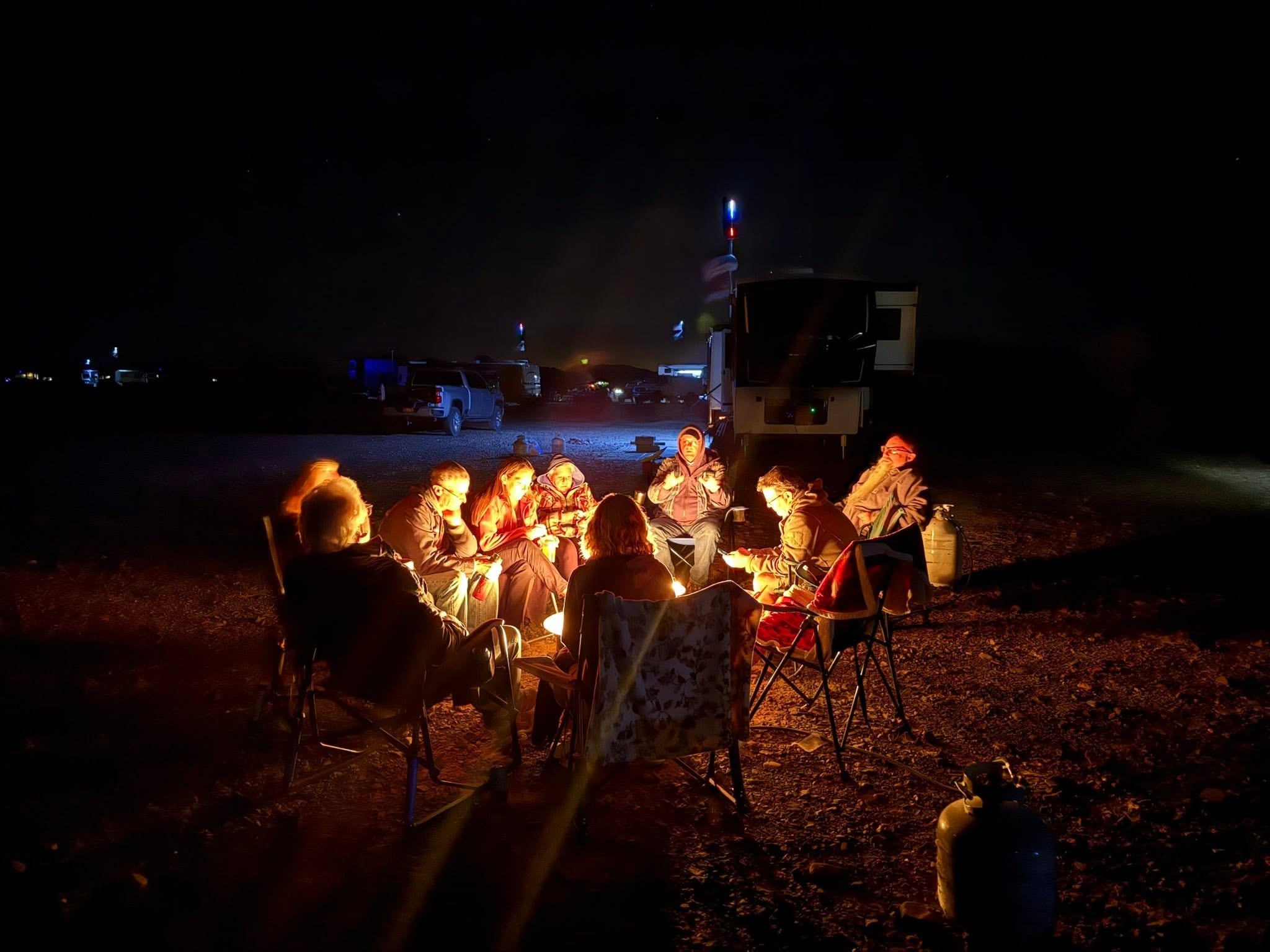
The appeal is obvious. You can park somewhere genuinely spectacular — a dry lake bed in the Sonoran Desert, a forest clearing in the White Mountains, a mesa overlooking a valley that goes on forever — and it costs nothing per night. Zero. The land is public, the view is yours, and the only sound is wind.
But here's the catch: your rig has to be able to sustain you. And sustaining two remote workers with real power demands, in the middle of nowhere, for days or weeks at a time, requires a serious electrical system.
The Myth of Free Camping
The "free camping" framing isn't wrong — it's just incomplete. Yes, the nightly rate is zero. But the infrastructure that makes those zero-dollar nights actually livable? That's where the real number lives.
Think of it like this: a tent is free camping. You can sleep outside for nothing. But if you want to sleep comfortably, stay dry, cook a real meal, and not freeze at elevation, you're going to spend money on gear. The tent, the sleeping bag, the pad, the stove, the water filter — none of that is free. You're paying upfront for the freedom to go anywhere.
Boondocking in an RV works the same way, just at a different scale.
Our Setup — And What It Cost
We didn't build a minimal system. We built a system that lets us work full-time, run our lives normally, and stay off-grid for weeks without compromise. Here's what that looks like.
Solar Panels
We have roof-mounted solar panels on the Brinkley, and we also deploy ground-mounted panels that we can aim and track with the sun throughout the day. That combination means we're harvesting every usable hour of light, not just what happens to hit the roof at whatever angle we're parked. Solar is your income — it's what replenishes the batteries every day. Without enough solar, you're constantly running a deficit and eventually you're either running a generator or driving to a campground.
The panels themselves aren't the most expensive part of the equation, but they're not cheap either. Good quality panels, proper mounting hardware, and the wiring to connect them to your charge controllers adds up fast.
Lithium Batteries — The Heart of the System
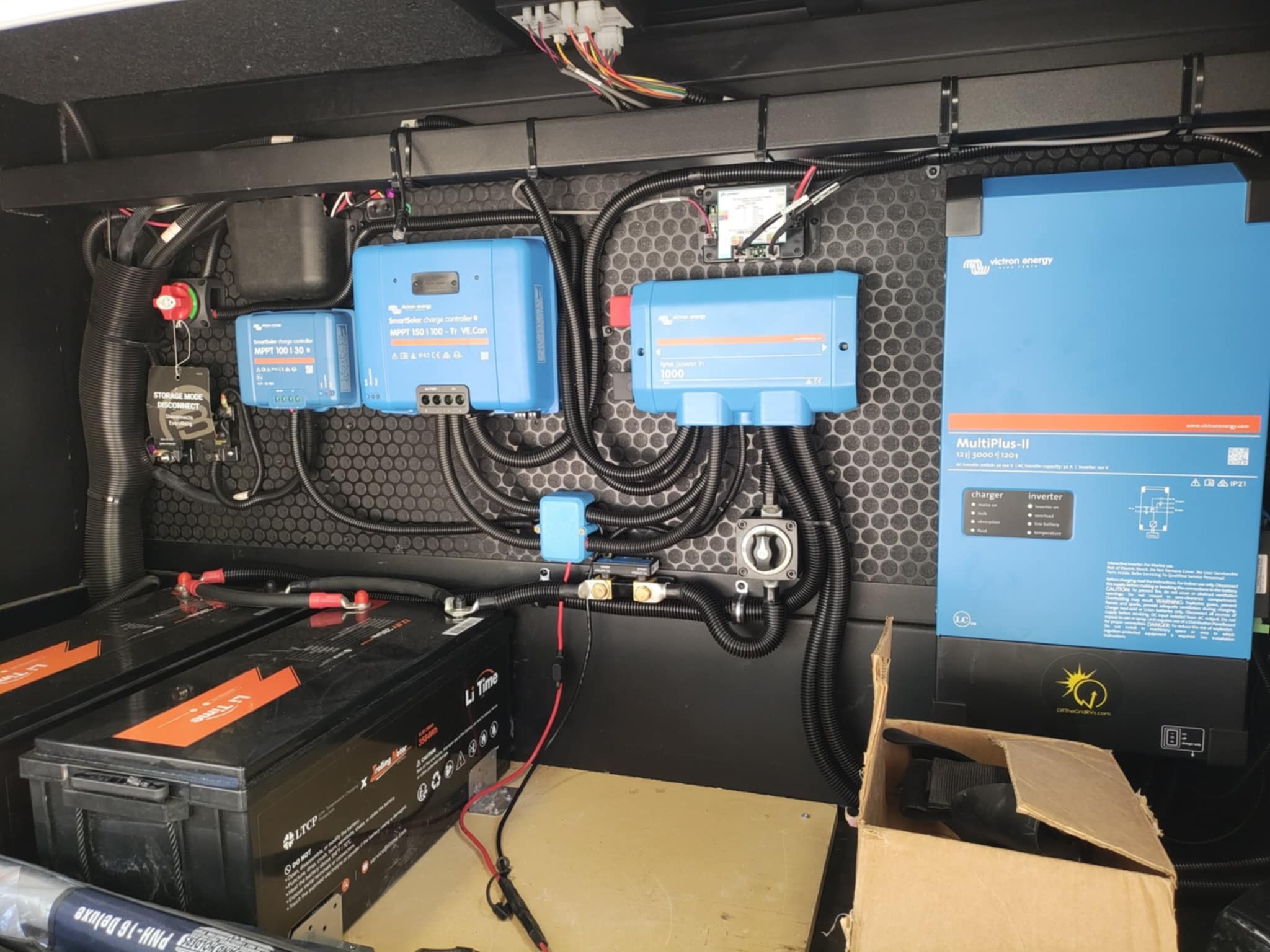
This is where the real money lives. We run two LiTime 280Ah lithium iron phosphate (LiFePO4) batteries, giving us 560Ah of total capacity. In practical terms, lithium gives you about 80% usable capacity versus 50% for lead-acid, so our 560Ah of lithium performs more like 900Ah of lead-acid would.
Lithium batteries are expensive. There's no way around it. But they're also lighter, faster to charge, longer-lasting, and they don't care if you discharge them deeply. Lead-acid batteries punish you for running them low. Lithium doesn't flinch.
Our setup is larger than most. But we've also seen rigs with true monster systems — multiple battery banks that dwarf ours — built by people with even higher power demands. We're solidly in the serious-but-not-extreme category.
The Victron System — The Brain
This is where the sophistication lives. We run a Victron MultiPlus-II inverter/charger, Victron SmartSolar MPPT charge controllers, and the Victron Lynx distribution system. The whole thing talks to each other through Victron's VRM platform, which means we can monitor every watt coming in and going out from a phone app, in real time, from anywhere.
The Victron install — which we did at Ehrenberg on the Colorado River with the crew at Off the Grid RVs — was a significant project. The equipment alone is not inexpensive. The MultiPlus-II is a serious piece of hardware. The SmartSolar controllers are the best in class. The Lynx system keeps everything organized and protected.
But the result is a system that just works. We know exactly what our state of charge is. We know how many hours of runtime we have at current consumption. We know when the sun is going to refill us. There are no surprises.
The Generator — The Backup
We have a Genmax generator for the days when the sun doesn't cooperate — heavy cloud cover, a stretch of dense forest, or just a particularly power-hungry day. It's the safety net. We don't use it often, but when we need it, we need it.
So What Does It All Add Up To?
We're not going to publish an exact dollar figure because component prices change, installation costs vary, and every setup is different. But we'll tell you this: a serious boondocking electrical system — solar, lithium batteries, quality inverter/charger, charge controllers, and a generator — is a multi-thousand dollar investment. For a setup like ours, you're looking at a number that would make most people pause.
And that's before you factor in the cost of the RV itself, which was built to accommodate this kind of system.
Why It's Worth Every Dollar
Here's the math that actually matters.
A decent campground with full hookups runs anywhere from $50 to $150 per night depending on the park — and at the resort tier, $150 is not unusual. A full month of hookup camping at $75/night is $2,250. Two months is $4,500. A year is over $27,000.
We've boondocked for weeks — and in some cases a full month — at a time: at Willcox Playa, on the Mogollon Rim, in the White Mountains, in the Sonoran Desert, along the Colorado River, and across a month-long run through the Mighty 5 in Utah. Paid nothing for those nights. The electrical system pays for itself over time, and the longer you're on the road, the faster that math works in your favor.
But the real value isn't financial. It's the places.
You cannot get to the spots we've camped at with a campground mentality. The Willcox Playa at sunset, with the Chiricahua Mountains turning purple and the cranes coming in to roost, is not accessible from a KOA. The forest road camp in the Apache-Sitgreaves, with elk walking through at dusk and no neighbors for miles, doesn't have a reservation system. The cracked-earth lake bed where we watched lightning storms roll across the desert from the Brinkley's patio — that's a boondocking spot.
Those experiences have a value that doesn't fit in a spreadsheet.
What You Actually Need to Boondock Well
If you're thinking about building out a system, here's the honest framework:
Start with your power budget. What do you actually run? A laptop and phone charger is very different from dual monitors, a full-size fridge, and air conditioning. Know your daily consumption before you buy anything.
Lithium is worth it. The upfront cost is higher, but the performance, longevity, and peace of mind are in a different category from lead-acid. If you're serious about boondocking, don't cheap out on batteries.
Size your solar generously. You want to be able to fully recharge your batteries on a typical day. Undersized solar means you're always playing catch-up.
Get a quality inverter/charger. The Victron ecosystem is what we use and trust. The monitoring alone is worth the premium — knowing exactly what your system is doing changes how you manage your power.
Have a backup. A generator isn't a failure. It's insurance. The days when the clouds don't move and you need to run the air conditioner are real, and having a backup means you never have to cut a trip short.
The Bottom Line
Boondocking is not free camping. It's freedom camping — and freedom has a price.
The upfront investment in a real electrical system is significant. We won't pretend otherwise. But what it buys you is the ability to park anywhere, stay as long as you want, live normally, and wake up to views that most people will never see from a campsite.
We've been LOVING LIFE HAVING FUN in places that aren't on any campground map. That's what the investment is for.
If you're building out your own system and have questions about what we run, drop us a message. We're happy to talk through what's worked for us.
Explore Topics
Written by
Joe & Tina Pastore
Content creator and writer sharing insights and stories.